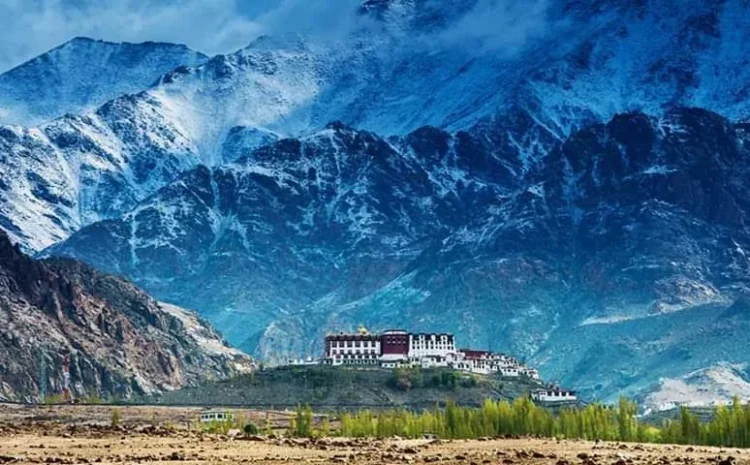

Gangon Tashi Chodzong (sgang sngon bkra shis chos rdzong), popularly known as Phyang Monastery is situated at a distance of approximately 20 km to the west of Leh, the district capital of Ladakh. The name of the monastery is derived from the blue mountain (Gang Ngonpo) behind the monastery. It was established by Choje Denma Kunga Drakpa in the 16th century with the sponsorship of his disciple Chogyal Tashi Namgyal, the 21st Dharma King of Ladakh. The site where the monastery now stands was once a part of the numerous monastic properties, offered during the time of King Tashi Namgyal to Denma Kunga Drakpa.
According to legend, in search for a place to build a monastery, Denma Kunga Drakpa came to the area of Phyang where he set up his tent on a field, contemplating the beautiful surroundings.
He was especially intrigued by a hill, revealing three different animal shapes. While meditating he had a vision of the protectress Achi on her blue horse. He interpreted this as an auspicious sign and decided to build the monastery on top of the hill. Later a rosebush sprouted and grew on the hill which can be seen inside the monastery to this day. The monastery has been served by a succession of Chojes appointed directly by the Drikung Kyabgons.
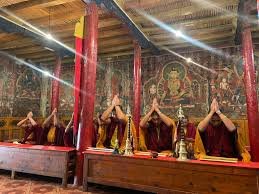
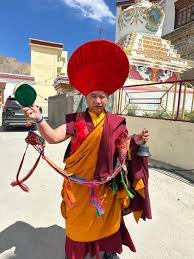
Presently, it is headed by Kyabje Togden Rinpoche, the 33rd Drikung Choje of Ladakh. There are a number of sacred shrines situated inside the monastery complex. Also, there are a number ofexquisite wall paintings, dating from the royal period, adorning the monastery. Phyang’s oldest temple is the Gomkhang (Mahakala Temple). It was built and painted at the time of the founding of the monastery in the 16th century. The exquisite old murals show Mahakala and other protector deities.


Gangon Tashi Chodzong monastery also houses a collection of masterly painted old thangkas and statues, extremely precious for the iconography of the Drikung tradition. These cultural treasures have recently been documented in the beautiful book Hidden Treasures from Ladakh published by Otter Verlag.
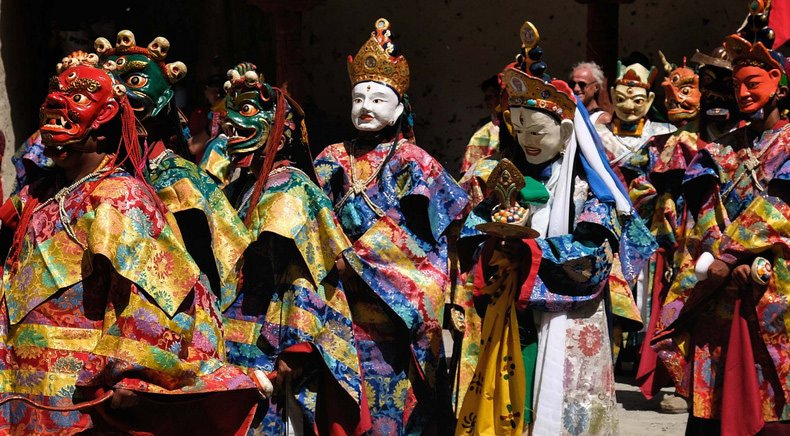
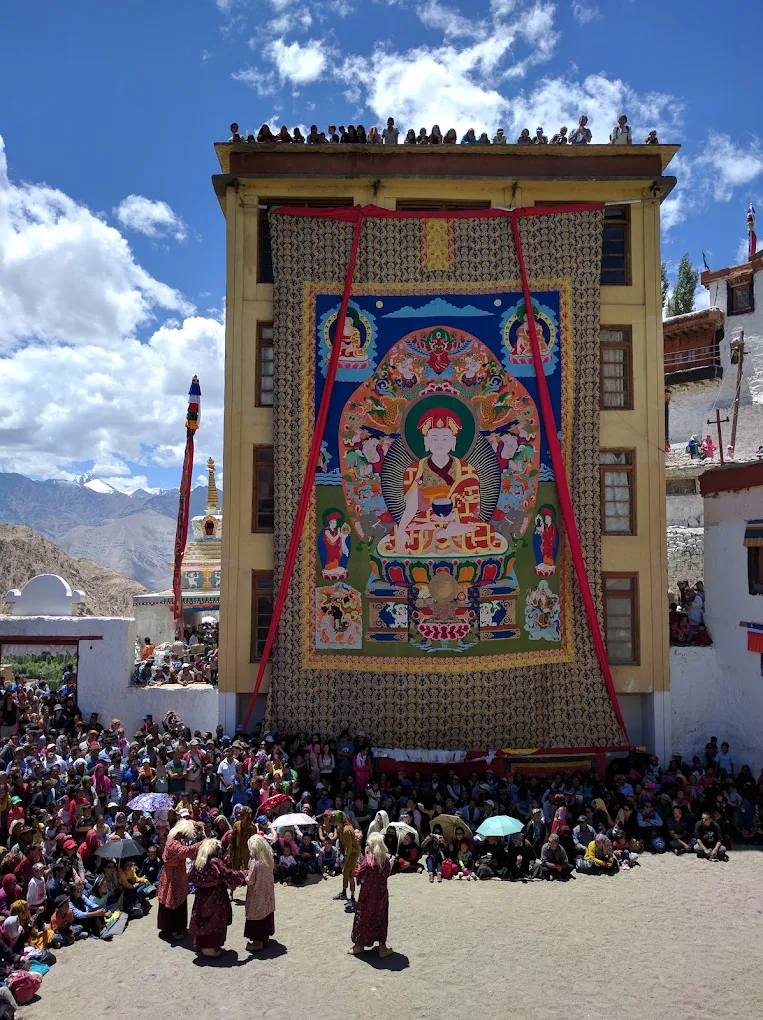
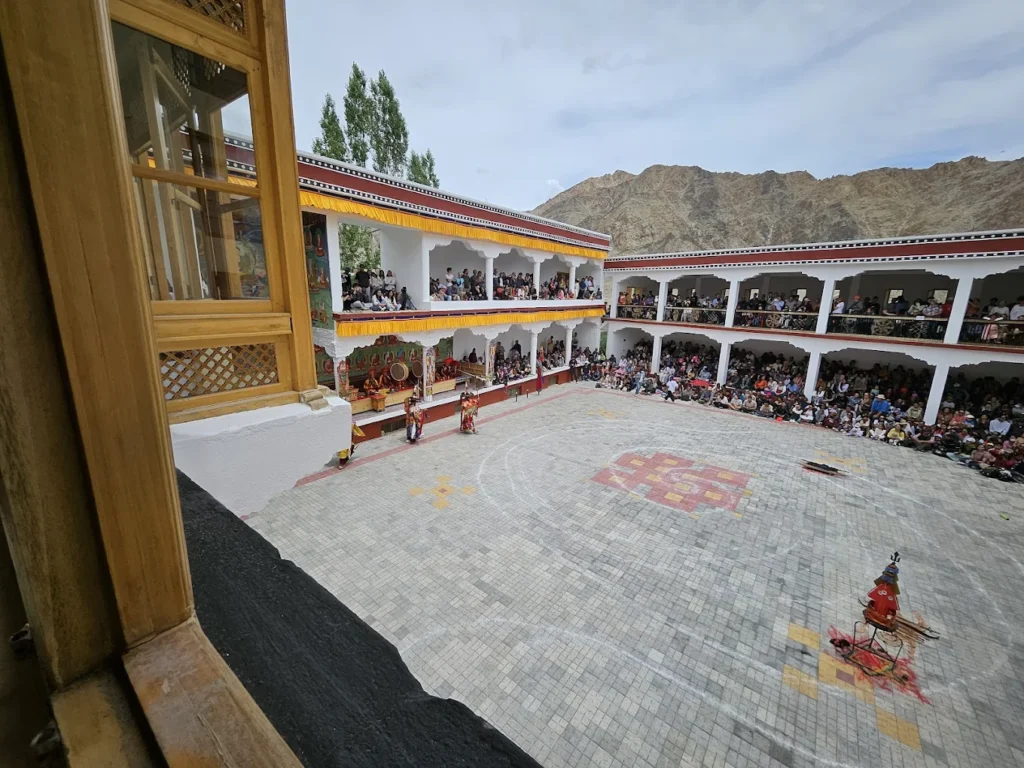
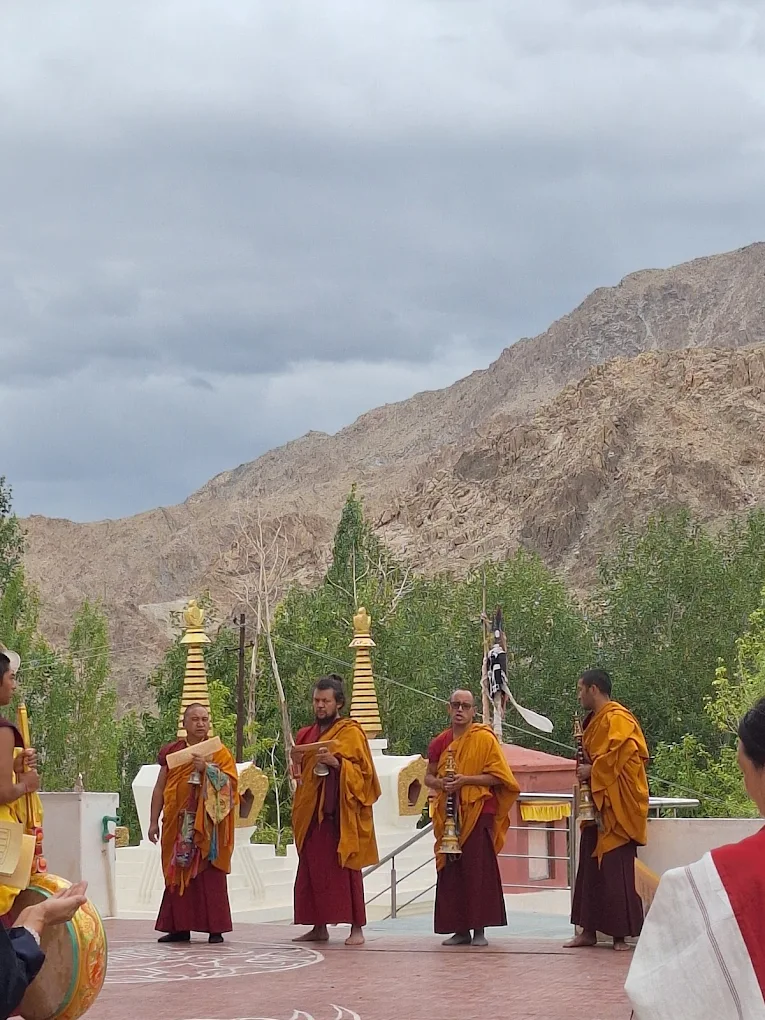
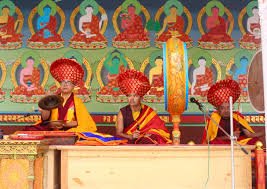
Phyang Tsedup Festival is one of the two old Monasteries in Dringungpa at Ladakh. The Phyang Tsedup Festival pageant is held during July to August. For the period of the pageant men throng within the Monastery dressed in colorful clothes and also carrying a lovely smile on their faces. All these seem to brighten up the mood of the carnival and therefore the sacred ceremony Phyang Frstival is well known with enthusiasm and potency in every single place. People from all over India and abroad throng the grounds of the Phyang Festival competition. The dance forms of the main ceremony of the Phyang Tsedup festival and apart from the worship of the Thankha of Jigten Gombo. The Lamas are dressed up in colorful attire and also play the various characters of the dance drama. However essentially the most interesting a part of the dance drama is the masks. Throughout this competition countless Buddhist courses are being displayed in an effort to unfold the message of Lord Buddha to the folks. The Lamas participate in the dance drama carrying masks. An exhibition can also be held throughout the 2 day competition of the Phyang Tsedup. The Phyang Tsedup Festival is notable with special prayers, chanting of auspicious mantras of Monks. The popular attractions of the festival are dramas or ‘Chhams’. There are 70 Buddhist monks which are situated at 17 Kms to the west of Leh.